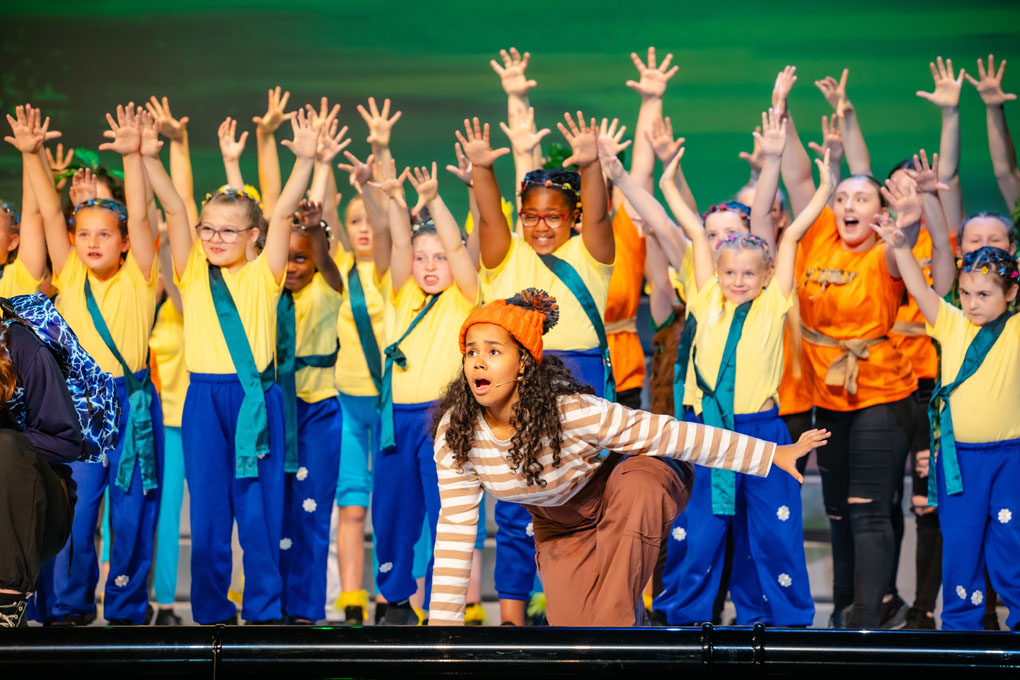
Performing on a West End stage is a dream for many young performers and a unique opportunity to shine. For PQA students, it’s more than just a moment in the spotlight—it’s a chance to develop lifelong skills like teamwork, resilience, and confidence.
Every year, the Pauline Quirke Academy of Performing Arts (PQA) brings the magic of the West End to life with 26 incredible productions, each featuring students from three academies across the country. For thousands of young performers, stepping onto one of London’s most iconic stages creates unforgettable memories to share with family and friends.
For the children involved, the West End experience is more than just a performance; it’s a stepping stone to developing essential life skills that will support them in their future endeavours beyond the curtain. From teamwork to resilience, here are four transformative skills that young performers carry with them after their time in the spotlight.
One of the most valuable life skills PQA students develop through the West End experience is self-confidence. For many, stepping onto a stage as grand as the West End can feel daunting. However, with the support of their dedicated teachers and the structure of regular academy rehearsals, children gradually build the confidence they need—not just to perform but to feel comfortable and proud of who they are. This growing sense of self-assurance helps young people thrive on stage and, more importantly, encourages them to embrace their unique strengths in everyday life.
Another crucial life skill nurtured through the West End experience is teamwork. Putting on a successful production requires collaboration and cooperation among all members of the cast and academy team. In a world where children often face pressures to fit in, learning how to collaborate and communicate effectively with their peers helps them find their place while remaining true to themselves.
By working together towards a shared goal, students discover the value of their unique contributions, learning that success comes not just from individual effort, but from mutual support and encouragement. This sense of belonging helps them feel confident in who they are, both on stage and off.
The West End experience teaches participants one of the most important life skills: resilience. Rehearsals can be physically and emotionally challenging, and setbacks are inevitable. However, by learning to push through difficulties and rise above obstacles to deliver a final performance, young performers discover their inner strength and ability to persevere. This builds a mindset that equips them to handle life’s challenges with confidence and grace—skills that support happiness and emotional growth in all areas of life.
Finally, the West End experience nurtures a strong work ethic. As they juggle rehearsals, practice, and other commitments, young people learn the value of dedication and self-discipline. Developing a solid work ethic not only helps them succeed in performances but also reinforces their self-worth as they realise what they are capable of achieving through hard work. This realisation builds a lasting sense of pride and accomplishment, empowering them to take on new challenges with confidence in their own abilities.
In conclusion, the West End experience is far more than just a showcase of talent—it’s a valuable opportunity to develop essential life skills that benefit individuals in all aspects of their lives now and in the future. From boosting confidence and fostering teamwork to building resilience and a strong work ethic, the lessons learned on the West End stage remain with young performers long after the final curtain call, shaping their journey toward becoming happy, confident individuals.
But this is just a glimpse of the skills your child can gain at PQA. Don’t just take our word for it—sign up for a free session at an academy near you and see the impact for yourself!



Yes! Every academy offers one free trial session, as long as there is space available in the age group. If the group is currently full, you can join the waiting list, and we’ll contact you as soon as a place becomes available.
PQA runs for 39 weeks throughout the school year. You can find the full list of term dates on each academy’s webpage, just search for your local academy and visit its web page.
PQA provides performing arts training for children and teens aged 4–18. Our Main Academy (ages 6–18) includes three core classes:
Some academies also offer Poppets (ages 4–6), an energetic 90-minute class introducing young children to singing, dancing and acting.
PQA welcomes all children, whether they’re complete beginners or already confident performers. There’s no audition needed to join.
At PQA students in Main Academy are grouped by age, learning with other children and young people at similar stages.
This depends on where you feel your child will be happiest. Some 6-year olds are ready to join the 6-9 age group in Main Academy, others will feel more comfortable starting in Poppets.
Your always welcome to discuss what’s best for your child with your local Principal before booking your free session.