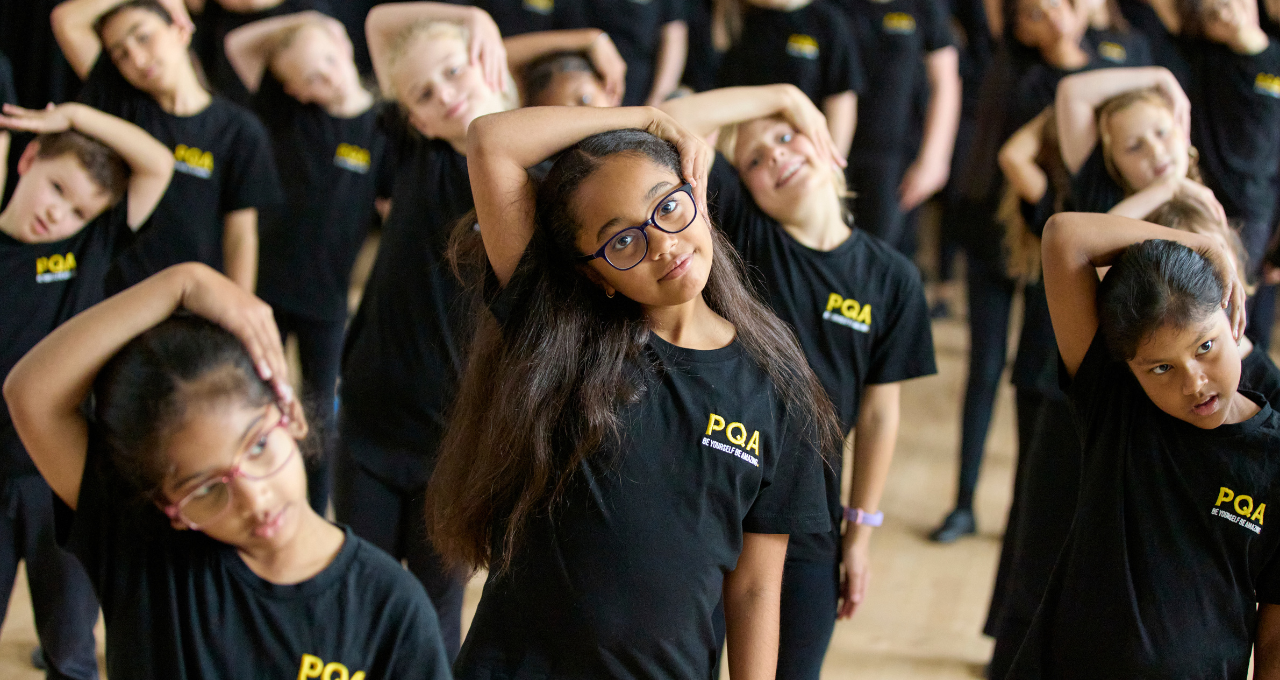
Finding the right weekend activity for children can feel overwhelming for parents. With so many clubs and classes available, how do you know which one will truly benefit your child? Choosing a children’s drama school is more than picking a place to act, it’s about finding a supportive environment where confidence, creativity, and friendships can grow.
A drama school is only as strong as its Principal and teachers. Look for trained actors, theatre educators, or performing arts professionals who understand how to inspire and guide young learners. Their passion and encouragement make a huge difference in how children feel about performing.
The best drama schools celebrate every child, regardless of experience or personality. Whether your child is outgoing or shy, a good school ensures they feel safe, valued, and encouraged to take part.
Drama should balance fun and progression. The right programme includes improvisation, voice and movement training, script work, and opportunities to perform. This structure helps children build skills tapping into their curiosity and creativity.
Performances are key to building confidence. Performing arts schools that offer regular showcases or performances in professional settings in front of family give children the pride of achievement. These moments often mark major turning points in overcoming shyness.
Great drama schools provide progression for different ages and skill levels. For example:
Ages 4 to 6: playful, imaginative sessions with songs, dancing and acting.
Ages 6 to 18: more advanced training in acting, musical theatre, or filmmaking.
We tick all the boxes when it comes to drama school for children, and more!
Our Principals and teachers come from industry backgrounds, bringing a wealth of experience to your child’s performing arts classes. Find your local academy and check out the team bios.
Inclusivity is in our DNA, read about equality, diversity and inclusion at PQA here.
Our learning approach runs through every academy project, ensuring a shared set of skills that are being taught across individual group projects. Our project-based learning approach guides student progression.
We understand how important it is for students to share their work, both on stage and screen. Every academy offers the opportunity to show back work, whether in the academy venue, at a local theatre or performance space, and even on the West End stage or at a regional Film Festival.
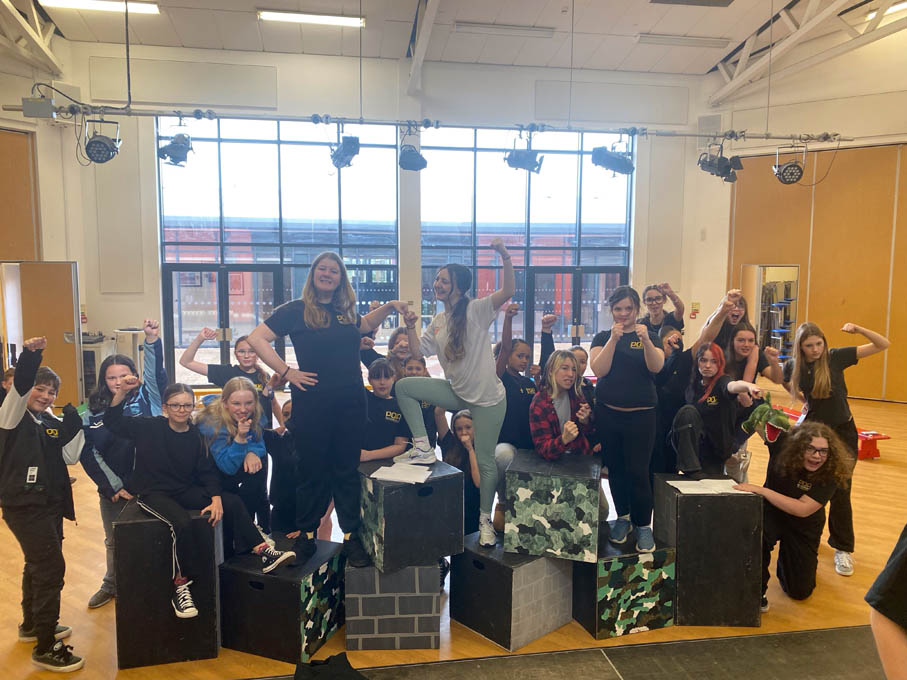


Yes! Every academy offers one free trial session, as long as there is space available in the age group. If the group is currently full, you can join the waiting list, and we’ll contact you as soon as a place becomes available.
PQA runs for 41 weeks throughout the school year. You can find the full list of term dates on each academy’s webpage, just search for your local academy and visit its web page.
PQA provides performing arts training for children and teens aged 4–18. Our Main Academy (ages 6–18) includes three core classes:
Some academies also offer Poppets (ages 4–6), an energetic 90-minute class introducing young children to singing, dancing and acting.
PQA welcomes all children, whether they’re complete beginners or already confident performers. There’s no audition needed to join.
At PQA students in Main Academy are grouped by age, learning with other children and young people at similar stages.
This depends on where you feel your child will be happiest. Some 6-year olds are ready to join the 6-9 age group in Main Academy, others will feel more comfortable starting in Poppets.
Your always welcome to discuss what’s best for your child with your local Principal before booking your free session.