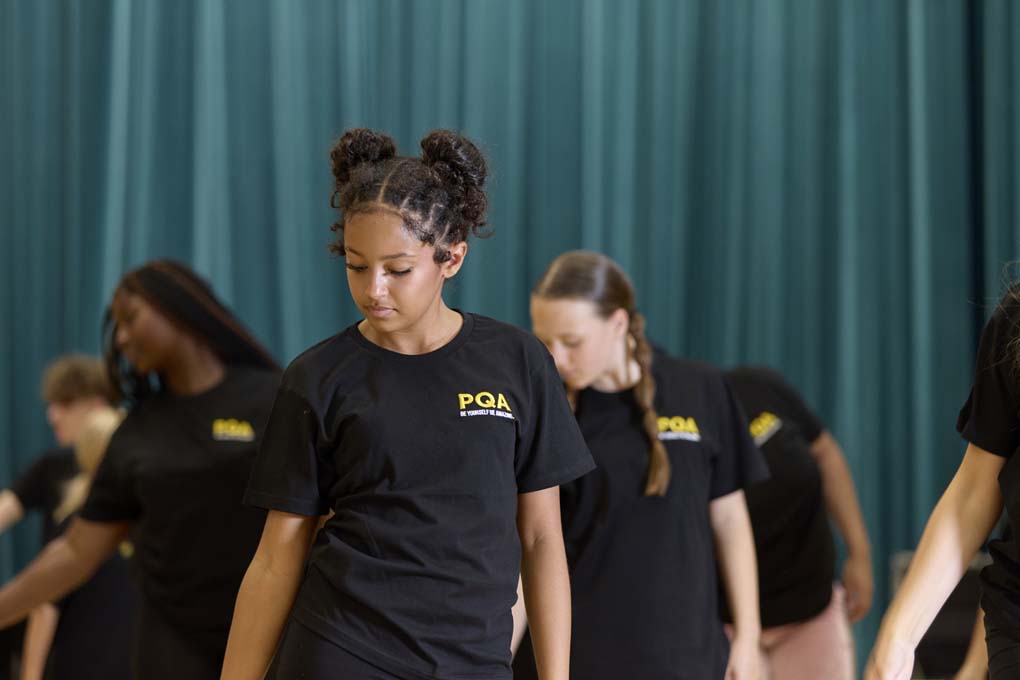
Finding the right balance of after-school extracurricular activities for kids and teenagers can feel a bit overwhelming. There are so many fantastic options out there:
sports teams
music classes
drama clubs
acting classes
It’s hard to know what the best activities for kids are.
Here’s something many parents don’t realise: weekend performing arts classes can be the secret ingredient that makes their other extracurricular activities better.
Let us explain.
Performing arts classes teach young people how to own the stage, and that confidence doesn’t get left at the door when the curtain falls. Whether it’s motivating their hockey teammates, trying out for the football captaincy, or simply talking about their favourite book at book club, confidence built in the drama studio spills over into every other activity.
Performing arts isn’t a solo venture. It’s all about collaboration. Children and teens learn to work as a team, support each other, and navigate the occasional diva moment. That teamwork mentality is invaluable on the sports field, in group projects, and even during those chaotic birthday party treasure hunts. Learning to communicate, compromise, and cheer each other on makes young people better teammates and friends.
When your child is learning a scene or choreographing a dance routine, they need to pay attention. The kind of attention that doesn’t involve sneaking a peek at their phone. Performing arts classes sharpen listening skills and build focus because one missed cue or forgotten line can throw off the whole performance (although things going wrong is absolutely nothing to be afraid of!). These are essential skills that come in handy when following a coach’s instructions, mastering a new chess strategy, or even remembering the steps in a baking class.
Performing arts classes are a great creative goldmine. Young people are encouraged to think outside the box, experiment with characters, and improvise when things don’t go to plan. Creativity is a transferable skill that benefits across all extracurricular activities.
The beauty of live performances where things rarely go exactly as planned. Missed lines, or accidentally knocking over a set piece are all part of the experience. Children learn to carry on, adapt, and recover without missing a beat - sometimes they even turn it into a comedy moment! This resilience is priceless when they face challenges in other activities. Falling off the balance beam? They’ll hop back up. Missing a goal in football? They'll bounce back quickly, seeing every mistake as a learning opportunity rather than a setback.
Performing arts classes give kids the freedom to express themselves fully in their own unique way. Through our Film & TV module, they learn to channel their emotions, tell their stories, and connect with audiences in meaningful ways. This ability to express themselves can help in other clubs, whether they’re leading a scout campfire song, giving a heartfelt speech at a debate, or simply finding their voice in a crowded room.
Let’s not forget that performing arts training is jampacked with many great skills. Learning to project their voice means they won’t have to shout during football matches to be heard over the crowd. Understanding body language helps them read social cues better. These skills help them become more self-assured and adaptable in every situation they face.
At the end of the day, filmmaking, drama and acting classes help children and teenagers give children self-belief, creativity and resilience, in all areas of their lives. Plus, it’s a whole lot of fun. So, whether they’re jazz-handing their way through life or simply standing a little taller in their other clubs, performing arts can give kids that extra sparkle.
FAQ
Is drama and sports a good after school combination for my child?
Sports and performing arts complement each other by building teamwork, coordination and focus. While sports develop physical skills, performing arts add creative expression, vocal confidence, communication, and improvisation creating a more well-rounded skill set for young people.
What kind of skills can a drama and acting classes teach my child?
Students strengthen verbal communication, learn to read body language and facial expressions, and build confidence through improvisation and performance. Just as importantly, drama teaches active listening, memory, problem-solving, and quick thinking.
Does my child need acting talent to join PQA?
Not at all. Our learning approach across all our drama classes is designed to nurture skills step by step. The mix of performing arts classes offered at PQA, which include Musical Theatre, Comedy & Drama and Film & Television focus on growth, enjoyment, and self-expression.
![Umbraco.Cms.Core.Models.MediaWithCrops`1[Umbraco.Cms.Web.Common.PublishedModels.Image]](/media/go1fxqkn/film-television-classes.jpg)
![Umbraco.Cms.Core.Models.MediaWithCrops`1[Umbraco.Cms.Web.Common.PublishedModels.Image]](/media/d4tkuzjo/acting-schools-near-me.jpg)
![Umbraco.Cms.Core.Models.MediaWithCrops`1[Umbraco.Cms.Web.Common.PublishedModels.Image]](/media/ys2nej4i/singing-classes-for-kids.jpg)


Yes! Every academy offers one free trial session, as long as there is space available in the age group. If the group is currently full, you can join the waiting list, and we’ll contact you as soon as a place becomes available.
PQA runs for 41 weeks throughout the school year. You can find the full list of term dates on each academy’s webpage, just search for your local academy and visit its web page.
PQA provides performing arts training for children and teens aged 4–18. Our Main Academy (ages 6–18) includes three core classes:
Some academies also offer Poppets (ages 4–6), an energetic 90-minute class introducing young children to singing, dancing and acting.
PQA welcomes all children, whether they’re complete beginners or already confident performers. There’s no audition needed to join.
At PQA students in Main Academy are grouped by age, learning with other children and young people at similar stages.
This depends on where you feel your child will be happiest. Some 6-year olds are ready to join the 6-9 age group in Main Academy, others will feel more comfortable starting in Poppets.
Your always welcome to discuss what’s best for your child with your local Principal before booking your free session.