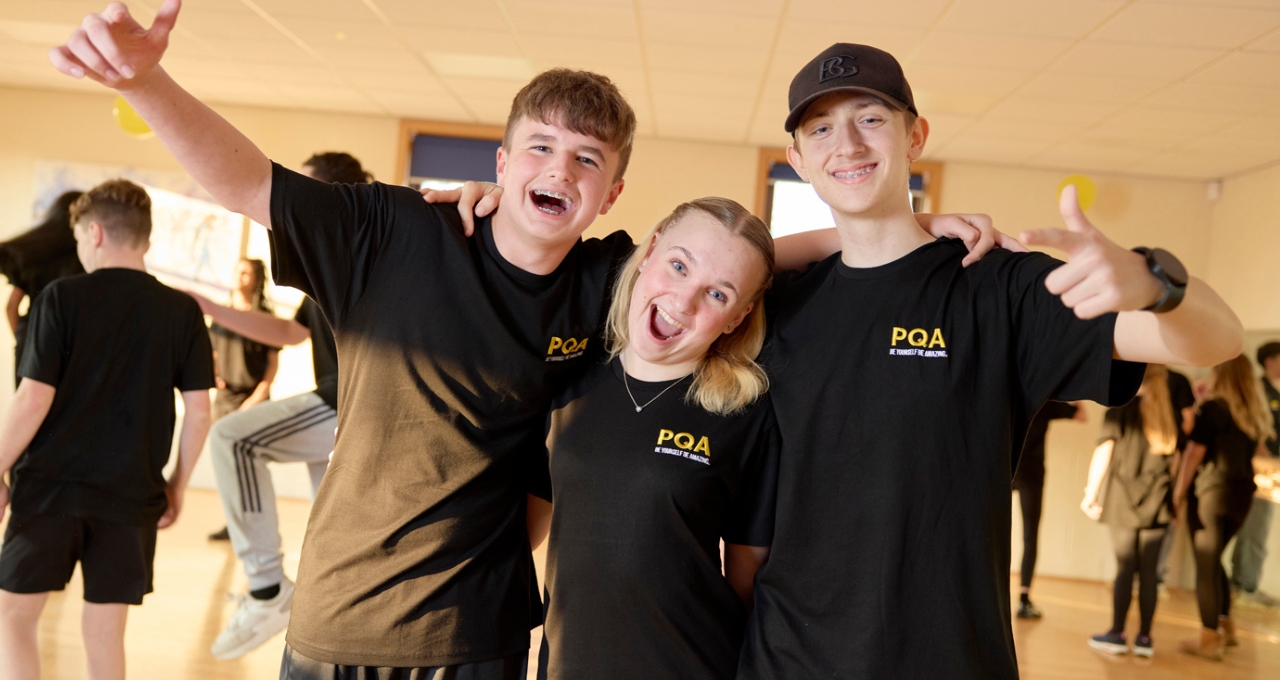
Exam season. A time of stress, highlighters running dry at an alarming rate, and teenagers staring blankly at revision notes as if they’ve never seen words before. For many young people, this time of year can feel overwhelming—but what if we told you that the secret weapon for better focus, improved memory, and reduced stress wasn’t another hour of flashcards, but rather stepping into the spotlight at the local drama club for teens and children?
Yes, really! Extra-curricular performing arts for kids, such as theatre classes and drama clubs, don’t just provide a welcome escape from the never-ending cycle of past papers—they actually help with revision. Think of it as brain training in disguise, except way more fun and with significantly fewer PowerPoint slides.
First and foremost, let’s talk about stress. If exams were a TV show, they’d be a high-stakes drama filled with emotional breakdowns and last-minute plot twists. But here’s where theatre classes step in like the ultimate superhero sidekick.
Taking part in extra-curricular activities or weekend clubs gives young people an outlet to decompress. Whether they’re belting out a show tune, immersing themselves in a new character, or simply having a laugh with friends, theatre classes provide that much-needed break from the intensity of revision. This isn’t just about feeling good (though that’s a massive bonus!); studies show that engaging in creative activities reduces cortisol levels (the stress hormone) and boosts endorphins (the happy ones). In short, creative classes = less exam stress, more smiles.
At PQA, we’re also a little different, because our projects also actively encourage the wellbeing of young people, helping them foster good mindfulness practices, which complement their academic success.
Ever wondered how actors manage to learn entire scripts when remembering one page of history notes feels like an impossible feat? Well, it turns out that drama classes actually strengthen the very same cognitive muscles needed for revision.
Taking part in performing arts classes involves memorising scripts, improvising on the spot, and adapting quickly to new situations—all of which are incredibly useful skills when it comes to retaining information for exams. The brain is like a muscle and the more you train it to absorb and recall information, the better it gets. So really, your local acting classes aren’t just about performing—they’re secret revision sessions in disguise.
At PQA, our unique learning approach—project-based learning—encourages perseverance, deeper engagement (allowing for critical and analytical thinking), and, of course, working towards the end of the project, much like how a school curriculum might culminate in an exam. Though, in our case, students usually end a project with something a bit more fun, like a showing of their work!
Picture this: your child walks into the exam hall, shoulders back, head high, radiating confidence. They approach their paper like a seasoned actor stepping onto the West End stage—calm, composed, and ready to shine.
Theatre groups don’t just teach kids how to act; they teach them how to present themselves, project their voice, and handle pressure—skills that are invaluable when it comes to sitting exams. If they’ve already conquered stage fright and performed in front of an audience, tackling an exam question suddenly doesn’t seem quite so terrifying. Plus, acting classes encourage creative thinking, which means that even if they don’t exactly know the answer, they’ll probably come up with something impressively articulate anyway.
If you’ve ever wondered if acting classes really do help with anxiety, the answer is yes!
That’s because one of the best things about drama clubs is the sense of community. Rehearsing for a play, working on an improvisation exercise, or simply laughing together in drama classes creates a bond like no other.
During exam season, this support network is more important than ever. Having a space where young people can switch off from revision stress, be surrounded by like-minded friends, and share their worries, or just have a good giggle, makes all the difference. Drama groups aren’t just about acting—they’re about friendship, teamwork, and lifting each other up when things get tough.
So, we’ve covered stress relief, confidence, and social support, but let’s not forget the actual science benefits of performing arts classes. Studies show that engaging in performing arts for kids enhances memory, concentration, and even problem-solving skills.
Think about it: when kids take part in drama classes, they’re constantly exercising their memory (learning scripts), boosting their listening skills (taking cues), and improving their ability to concentrate (staying in character). These are all essential skills for successful revision. In fact, engaging in creative activities has even been shown to help with information recall—so that Shakespeare monologue they learned last term? Turns out it’s actually helping them ace their English Lit exam. Who knew?!
Ultimately, exam success isn’t just about cramming as much information as possible—it’s about balance. Just like athletes need rest days, young people need time to recharge so their brains can function at their best. Weekend performing arts classes offer the perfect antidote to revision fatigue: a space to unwind, boost brainpower, and have fun, all while secretly improving those all-important academic skills.
So, if your child is knee-deep in revision and in need of a boost, why not consider enrolling them in one of the performing arts classes near you? Theatre classes offer more than just a break—they provide the tools, confidence, and mental resilience needed to tackle exams head-on.
And hey, if nothing else, at least they’ll have a great excuse to take a breather from their textbooks… and maybe even pick up some Shakespearean insults to use on their siblings.
With over 250 academies nationwide, you’re bound to find one of our drama clubs near you.
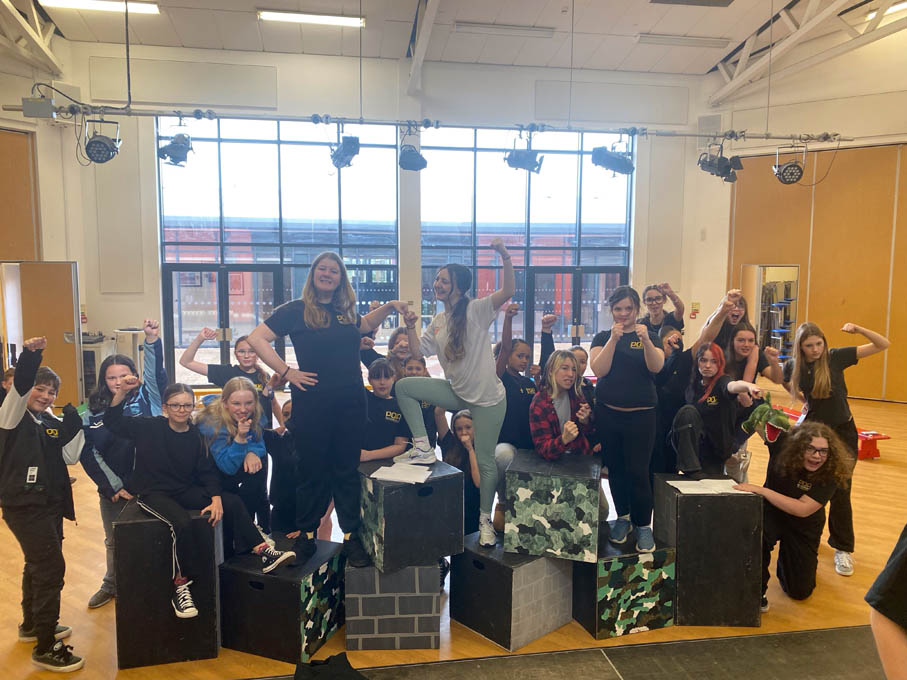


Yes! Every academy offers one free trial session, as long as there is space available in the age group. If the group is currently full, you can join the waiting list, and we’ll contact you as soon as a place becomes available.
PQA runs for 41 weeks throughout the school year. You can find the full list of term dates on each academy’s webpage, just search for your local academy and visit its web page.
PQA provides performing arts training for children and teens aged 4–18. Our Main Academy (ages 6–18) includes three core classes:
Some academies also offer Poppets (ages 4–6), an energetic 90-minute class introducing young children to singing, dancing and acting.
PQA welcomes all children, whether they’re complete beginners or already confident performers. There’s no audition needed to join.
At PQA students in Main Academy are grouped by age, learning with other children and young people at similar stages.
This depends on where you feel your child will be happiest. Some 6-year olds are ready to join the 6-9 age group in Main Academy, others will feel more comfortable starting in Poppets.
Your always welcome to discuss what’s best for your child with your local Principal before booking your free session.